
Protein Guide: How Much Do You Really Need?
The Essential Building Block
Protein is the fundamental structural component of every cell in your body. From repairing muscle tissue to synthesizing hormones and enzymes, it is the one macronutrient you cannot afford to skip. However, the 'one-size-fits-all' approach to protein intake is a myth that often leaves people under-fueled or plateauing in their fitness journey.
Decoding the RDA Baseline
The Recommended Dietary Allowance (RDA) is set at 0.8 grams per kilogram of body weight. For a 70kg adult, that's only about 56g of protein. It is vital to understand that this number is the minimum amount required to prevent malnutrition and muscle wasting—it is not the optimal amount for performance or thriving health.
Protein for Active Lifestyles
If you hit the gym or lead a busy life, your needs skyrocket. Physical activity creates micro-tears in muscle fibers that require amino acids for repair. Moderate exercisers should aim for 1.2 to 1.5g per kg, while those focusing on muscle hypertrophy (growth) often see the best results between 1.6g and 2.2g per kg. For a person weighing 80kg, this means a target range of 128g to 176g daily.
The Role in Weight Loss
Protein is your best friend during a fat-loss phase. It has a higher Thermic Effect of Food (TEF) than carbs or fats, meaning your body burns more calories just digesting it. More importantly, it is highly satiating. High-protein diets help crush cravings and keep you feeling full, making a caloric deficit much easier to maintain while protecting your hard-earned muscle mass.
Quality and Sourcing
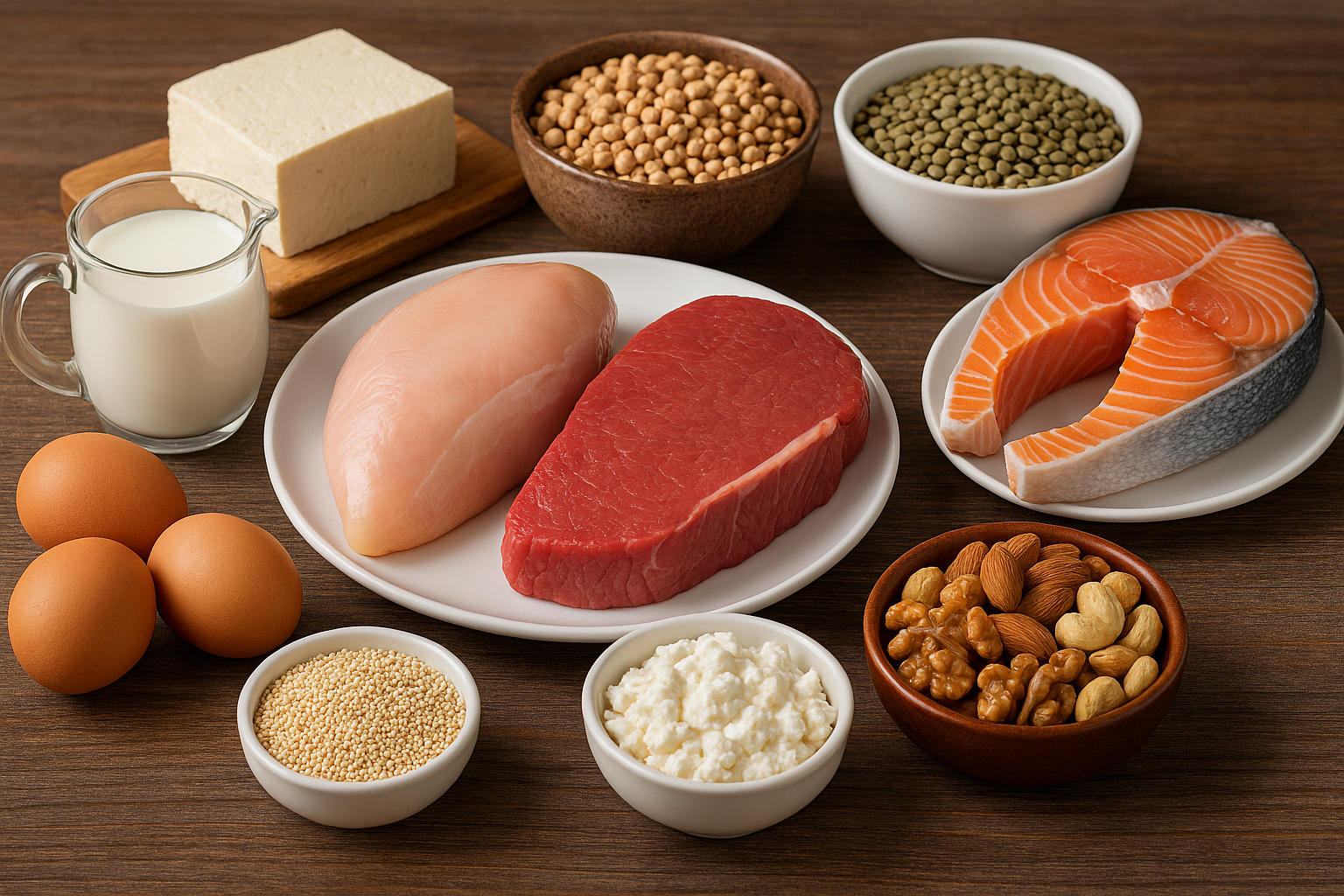
While total grams matter, quality is key. Animal sources like lean meats, eggs, and Greek yogurt are 'complete' proteins. Plant-based athletes can achieve the same results by combining sources like beans, lentils, quinoa, and soy to ensure a full spectrum of essential amino acids. Aim to spread your intake across 3-4 meals to maximize muscle protein synthesis throughout the day.
Special Considerations for Aging
As we get older, our bodies become less efficient at processing protein—a condition called anabolic resistance. To prevent age-related muscle loss (sarcopenia), adults over 60 should consider increasing their intake to at least 1.2g per kg. This preservation of muscle is the single best predictor of mobility and independence in later years.
Final Takeaway
Your protein requirement isn't a static number; it’s a sliding scale based on your goals. Whether you’re looking to build strength, lose weight, or simply stay healthy as you age, prioritizing high-quality protein at every meal is the simplest way to optimize your physiology. Start by tracking your current intake for a few days—you might be surprised by how much more you actually need.