
Mastering Meal Prep for Busy Lifestyles
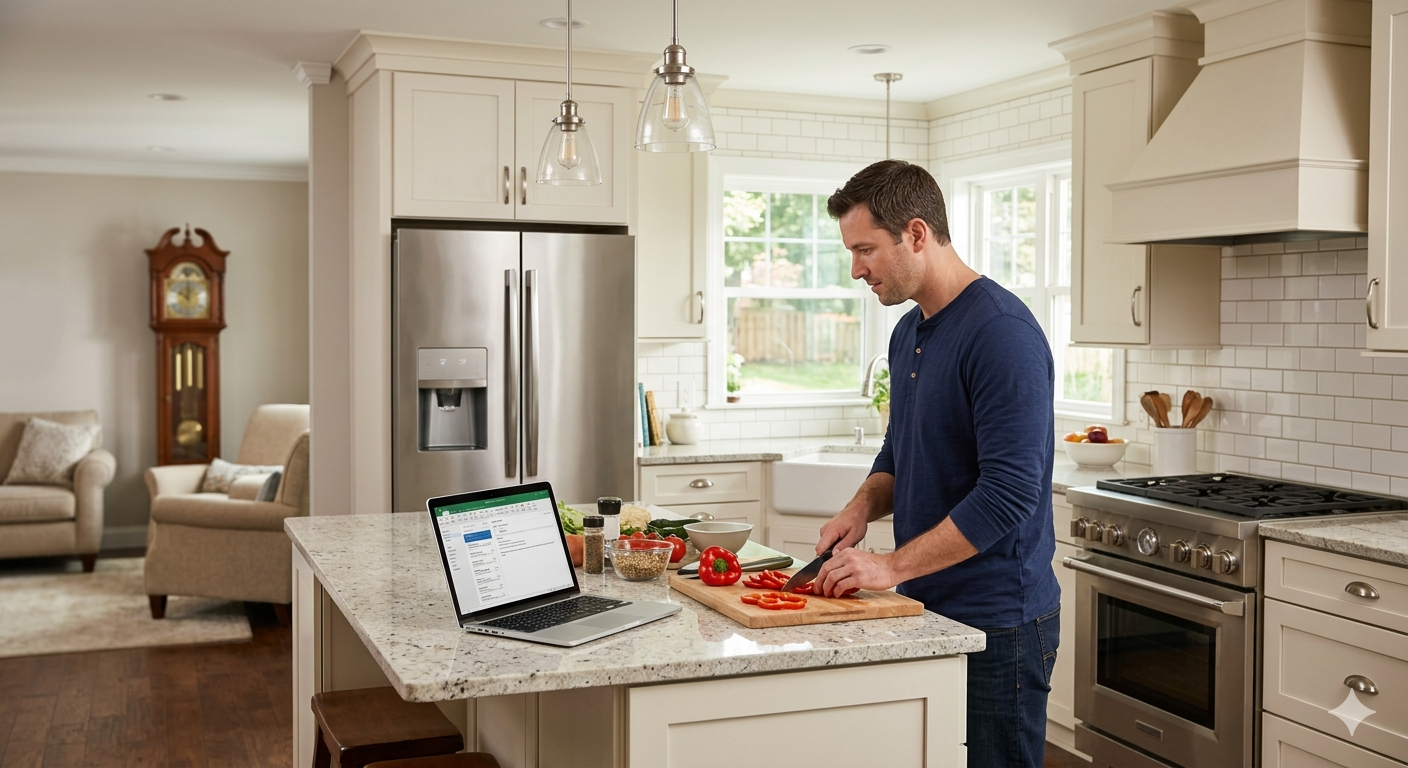
Efficiency is Key
For many, the biggest obstacle to healthy eating isn't a lack of willpower—it's a lack of time. Between work, family, and social commitments, cooking a fresh meal every night can feel impossible. Meal preparation is the ultimate 'life hack' that ensures you have nutritious options ready to go when life gets hectic.
The Power of Batch Cooking
You don't need to cook entire individual meals to be successful. Many experts recommend 'component prepping.' This involves cooking large batches of versatile staples: a big tray of roasted sweet potatoes, a pot of quinoa, and several chicken breasts or blocks of tofu. These components can be mixed and matched throughout the week into bowls, wraps, or salads, preventing 'palate fatigue.'
Invest in Quality Containers
Your prep is only as good as your storage. Invest in airtight, BPA-free glass containers. Glass is preferable to plastic as it doesn't leach chemicals, is microwave-safe, and keeps food fresher for longer. Having a uniform set of containers also makes your fridge look organized, which provides a psychological boost to stay consistent.
The 'Theme' Strategy
If you struggle with decision fatigue, assign themes to your weeks. One week could be Mediterranean (think chickpeas, cucumbers, and feta), and the next could be Mexican-inspired (black beans, peppers, and salsa). This simplifies your grocery list and ensures your meals have a cohesive flavor profile without requiring complex recipes.
Don't Forget the 'No-Cook' Items
Meal prep doesn't always have to involve the stove. Utilize 'no-cook' shortcuts like pre-washed spinach, canned beans, rotisserie chicken, and frozen vegetables. These items are nutritional powerhouses that can be assembled in minutes. The goal is to lower the barrier to entry so that healthy eating becomes the path of least resistance.
Safety and Longevity
To keep your food safe, follow the 'four-day rule.' Most cooked proteins and vegetables stay fresh in the fridge for up to four days. If you're prepping for a full seven days, plan to freeze the latter half of your meals or do a mini-prep session on Wednesday evening to refresh your supply. Labeling your containers with dates is a small habit that prevents food waste.
Conclusion
Meal prepping is a skill that improves with practice. Start small by prepping just your lunches for the work week. Once you experience the relief of not having to worry about 'what's for dinner' after a long day, you'll find that those few hours spent in the kitchen on Sunday are the most productive hours of your week.